.webp)

Piney Point Roofing for Waterfront & Wind-Exposed Properties
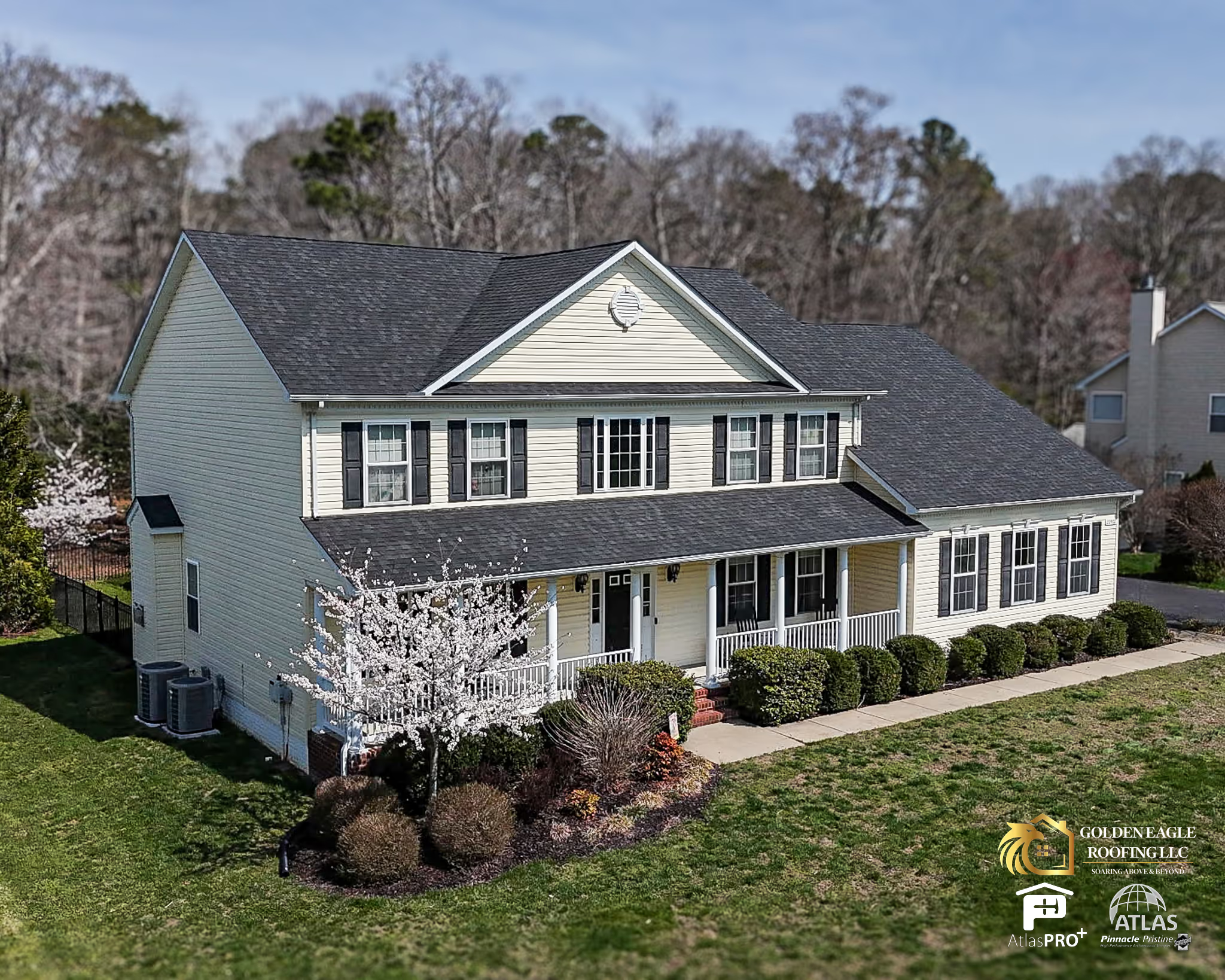
Golden Eagle Roofing provides roof repair, roof replacement, roof inspections, storm damage roofing, maintenance, gutters, and exterior services in Piney Point, Maryland and surrounding St. Mary's County.

.avif)
-640w.webp)
.png)
.png)
.avif)


.png)
Roofing for Piney Point Homes Facing Wind and Water Exposure
Repairing Leaks Where Wind-Driven Rain Finds Weak Details
Golden Eagle Roofing provides roof repair, roof replacement, roof inspections, storm damage roofing, maintenance, gutters, and exterior services in Piney Point and surrounding St. Mary's County. Properties near the water can experience strong wind-driven rain and exposed roof edges, so inspections pay close attention to shingles, flashing, penetrations, metal details, and drainage without assuming every weather-exposed roof has the same problem.
Inspecting Roof Edges, Flashing and Drainage Near the Water
A Piney Point roof inspection can evaluate damaged or displaced roofing, flashing, roof edges, pipe boots, valleys, low-slope sections, ventilation, gutters, and visible moisture concerns where accessible. Golden Eagle Roofing documents observed conditions with photos and explains whether the roof needs temporary protection, localized repair, maintenance, or a broader replacement evaluation.
.png)

.avif)
.webp)
Owner

Roof Repair, Replacement and Drainage Planning in Piney Point
Roofing services are matched to the property, roofing system, exposure, and condition found during the evaluation, with repair, replacement, inspections, storm response, maintenance, gutters, and related exterior work available.
.avif)
Maryland Home & roof Insurance Claim Support
If your roof has storm or wind damage, we help document the issues and guide you through the insurance claim process with clarity. This service is built for homeowners who want to move faster from inspection to approved repairs or replacement.
Reliable & Fast roof Repair
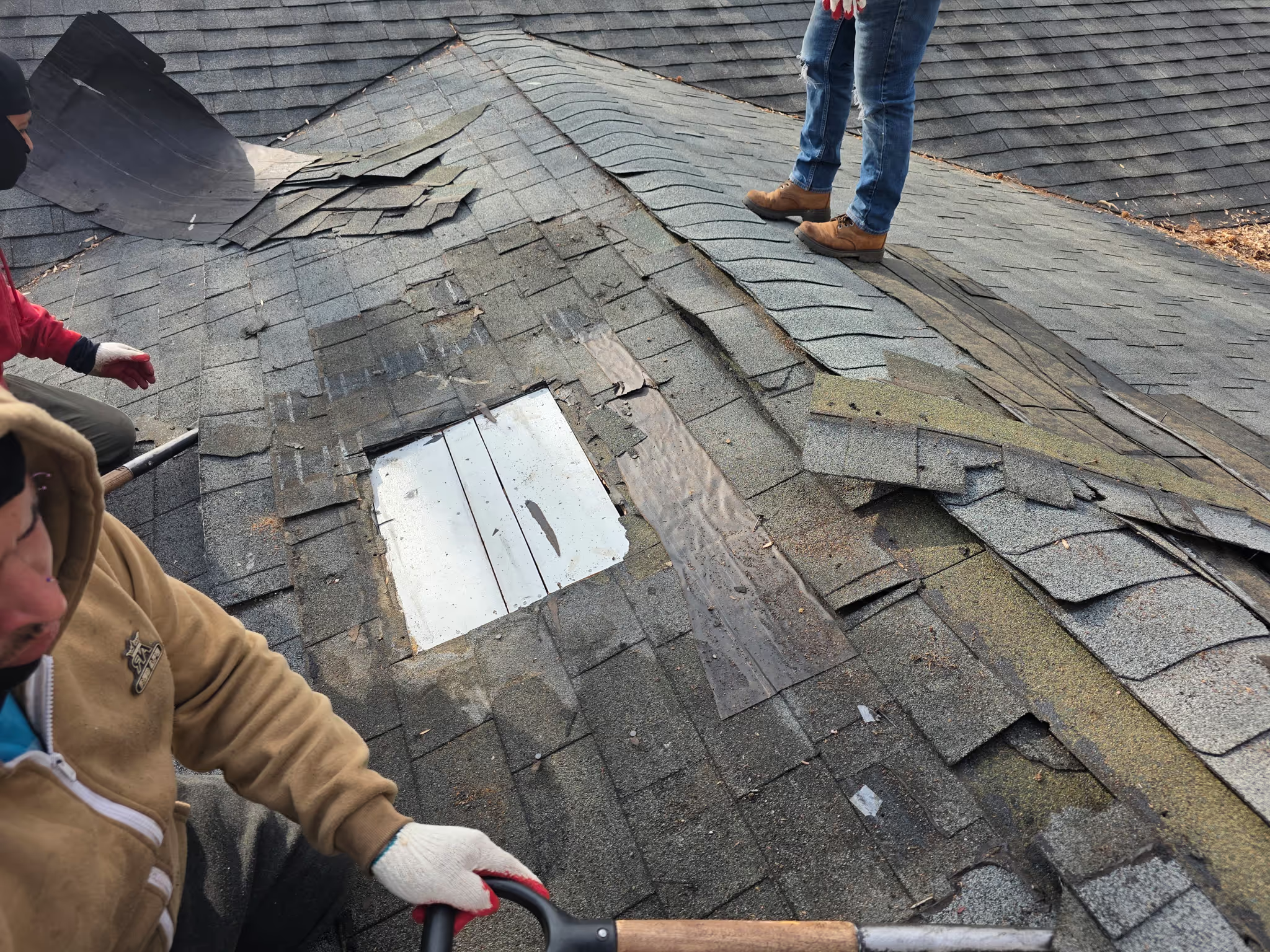
Roof leak repair focuses on tracing the likely water-entry point. Wind-driven rain can expose weak shingles, flashing, roof-to-wall transitions, pipe boots, valleys, skylights, and low-slope tie-ins, so the surrounding roof area is evaluated before the repair scope is defined.

Professional Roof Replacement
Roof replacement is considered when damage or deterioration is widespread, repeated leaks occur in different areas, decking is compromised, or the existing assembly no longer supports a practical repair strategy. Replacement details are selected for the actual roof system and property.
.avif)
Specialty Roofing Systems
Upgrade your home with premium roofing options designed for long-term performance, distinctive style, and added durability. Our specialty roofing solutions are ideal for homeowners looking for architectural shingles, metal roofing, and other high-end roof systems.
HAAG Master Level Certified Roof Inspections
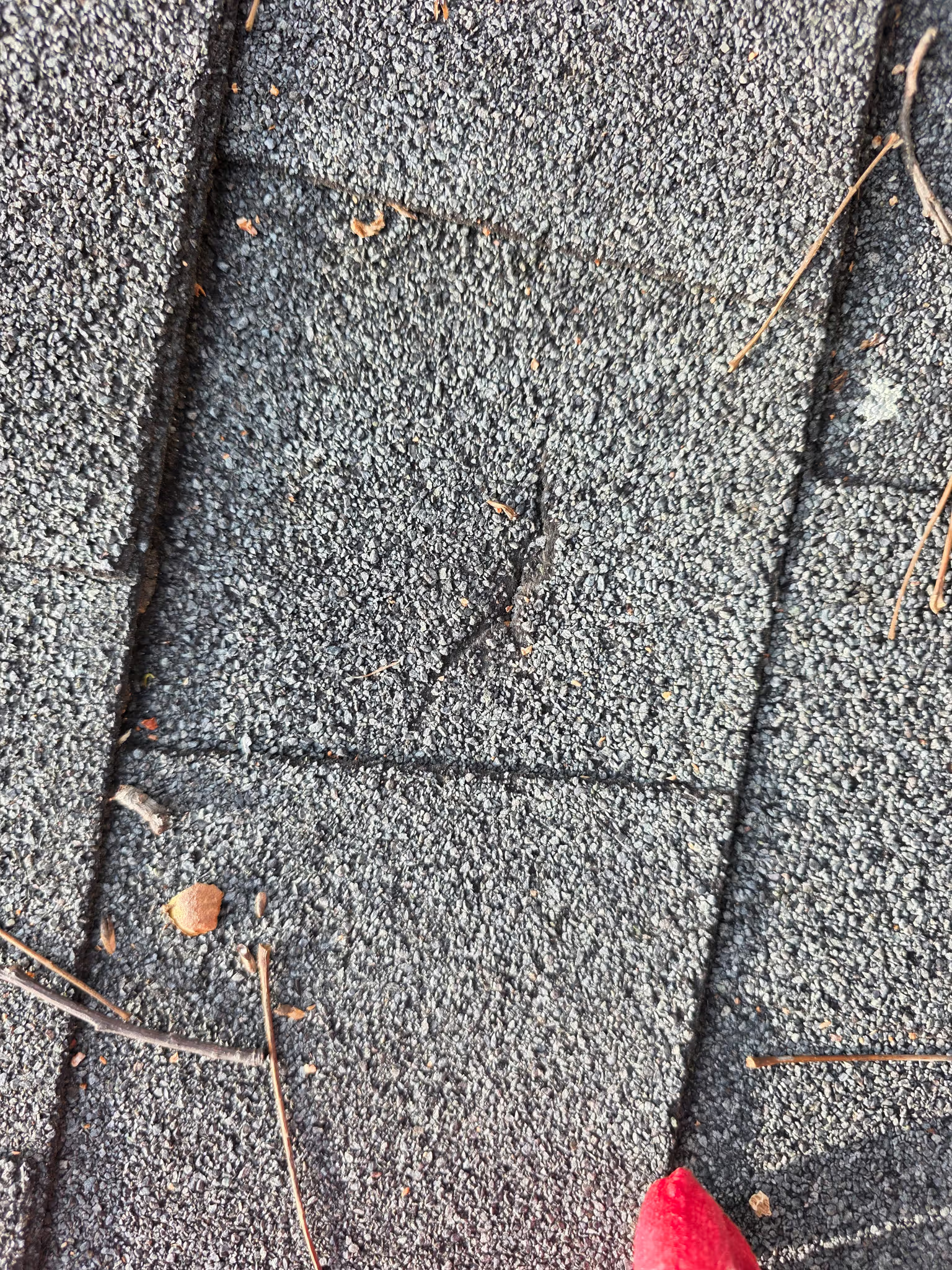
Roof inspections document accessible roofing materials and critical details such as edges, flashing, penetrations, valleys, ventilation, and drainage. Photos help Piney Point property owners distinguish active repair needs from conditions that can be monitored or planned for later.
Preventative roof Maintenance & Upkeep
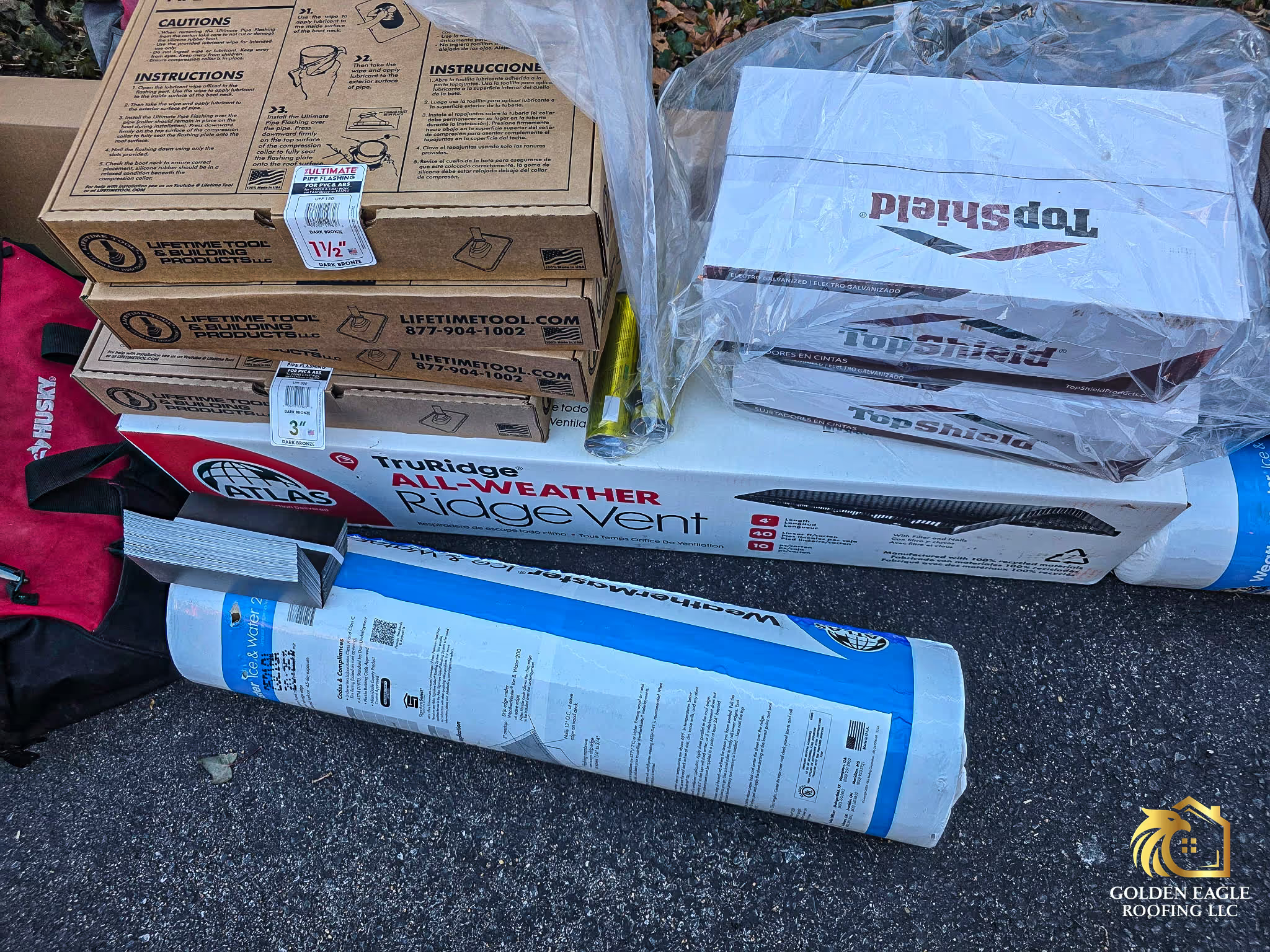
Roof maintenance can help identify developing issues at exposed edges, flashing, penetrations, drainage areas, and other vulnerable details. Maintenance recommendations depend on roof age, condition, previous repairs, storm exposure, and manufacturer requirements.
Storm Damage Restoration & Repair
After wind, hail, or severe weather, Golden Eagle Roofing can inspect visible roofing conditions, provide emergency protection when needed, and document damage with photos and measurements. The contractor documentation can support an insurance claim, while the carrier determines coverage.
Emergency Roofing Services
High winds, hail, agressive freeze thaw cycles and severe weather can leave behind leaks, lifted shingles, and hidden damage that gets worse over time. We provide storm damage roofing services for business & homeowners who need a fast inspection, immediate protection, and a plan for permanent repairs.
.avif)
Maryland Siding and Exterior Upgrades
Improve curb appeal, weather protection, and overall home value with exterior upgrades built to last. Our siding and exterior services are designed for homeowners ready to replace worn materials and strengthen their home’s first line of defense.
Replace Windows, Doors & Entries
Upgrade old, drafty windows and worn entry doors with products designed for better comfort, efficiency, and appearance. This service is ideal for homeowners looking to improve energy performance while giving the exterior of the home a cleaner, more updated look.

Maryland Skylight Replacement & Repair
Fix leaks, replace outdated units, and bring in more natural light with skylight solutions that protect the surrounding roofing system. This service is ideal for homeowners who want the benefits of skylights without the risk of recurring water intrusion.
.avif)
Maryland Gutter Replacement & Installation
Gutters and downspouts are especially important where heavy rain and wind-blown debris can affect drainage. Golden Eagle Roofing can evaluate pitch, fastening, leaking joints, overflow, downspout routing, and gutter-guard options based on the existing system.
Soffit and Fascia Repair
Damaged soffit and fascia can lead to moisture problems, poor ventilation, and weakened gutter support. We repair and replace these critical roofline components for homeowners looking to protect their exterior and improve the finished look of the home.
Attic Insulation & Ventillation Services
Improve comfort, energy efficiency, and overall roof performance with attic insulation & ventillation systems designed to reduce heat loss and temperature swings. This service is ideal for homeowners looking to lower energy waste while creating a more balanced, protected home.
Homes, Waterfront Properties and Commercial Roofs in Piney Point
Golden Eagle Roofing works on residential, multi-family, and commercial roofing systems in Piney Point, adjusting inspection and repair planning for roof type, occupancy, exposure, access, and drainage.
Residential Roofing
Residential work can include roof leak repair, shingle replacement, complete roof replacement, inspections, storm documentation, skylights, gutters, soffit and fascia, ventilation, siding, and related exterior services. Recommendations are based on the individual home's construction and roof condition.
.avif)
Multi-Family Roofing
Multi-family and rental properties require coordination around occupied units, shared roof sections, common access, parking, and drainage. Golden Eagle Roofing can support inspections, repairs, phased replacement, storm documentation, and maintenance planning.
.avif)
Commercial Roofing
Commercial properties may use steep-slope, metal, or low-slope roofing systems with different edge, penetration, drainage, and rooftop-equipment details. Golden Eagle Roofing evaluates the existing assembly before recommending repair, maintenance, restoration, or replacement.
Roofing for Piney Point Homes Facing Wind and Water Exposure
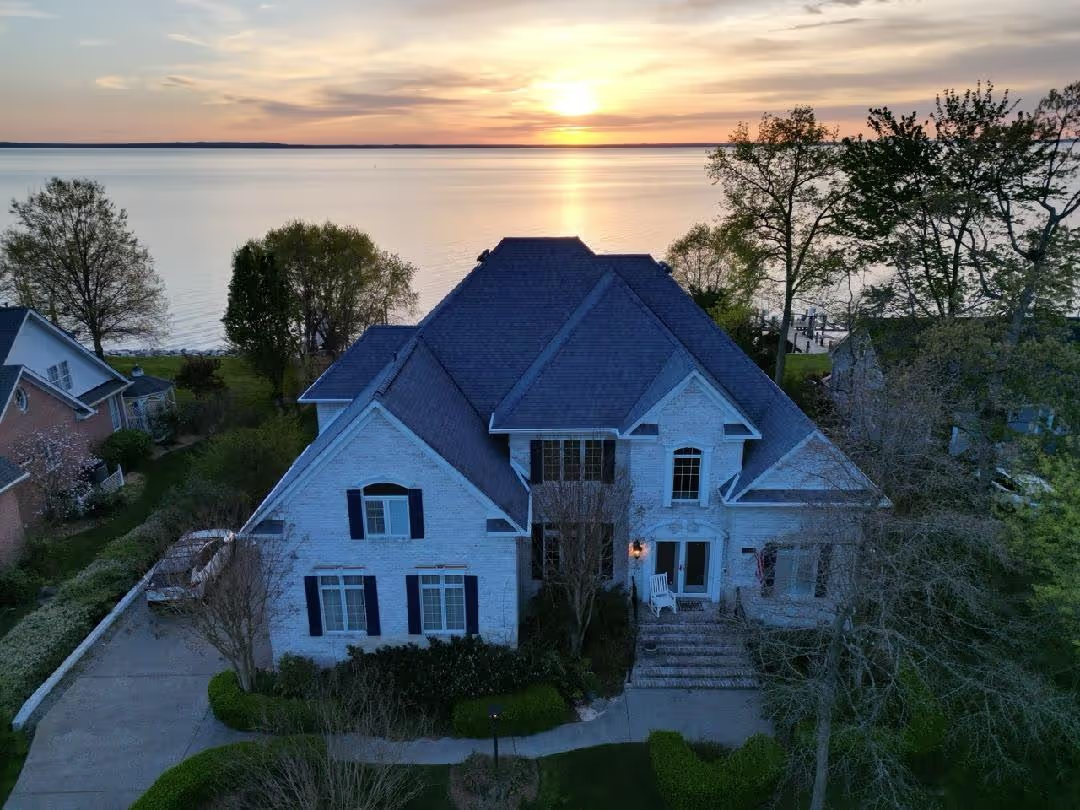
Piney Point Roof Repair for Wind-Driven Rain and Exposed Details
Tracing Leaks Around Edges, Flashing and Penetrations
Golden Eagle Roofing repairs leaks associated with damaged shingles, flashing, pipe boots, valleys, roof-to-wall transitions, skylights, low-slope sections, and other penetrations. On exposed properties, wind-driven rain can enter through small failures that are not obvious from the ground, so the surrounding roof area is evaluated before the repair is scoped.
Repairing Roof-Edge and Penetration Failures
Roof edges and penetrations are important water-management details on any roof. Golden Eagle Roofing documents displaced or deteriorated flashing, loose or damaged roofing, exposed fasteners, failed boots, and other visible conditions and recommends a localized repair when the surrounding roofing remains serviceable.
Roof Replacement for Piney Point's Weather-Exposed Properties
Full-System Replacement With Roof-Edge Details in Mind
A roof replacement can include removal of existing roofing as required, exposed-deck evaluation, underlayment, ice and water protection where specified, starter materials, shingles or other selected roofing, flashing, ventilation, ridge components, and penetrations. Golden Eagle Roofing pays particular attention to roof edges, flashing transitions, and drainage as part of the system scope.
Material, Ventilation and Drainage Planning Near the Water
Material selection should account for roof slope, existing construction, appearance, ventilation, drainage, property exposure, budget, and manufacturer requirements. Golden Eagle Roofing explains which products and system details apply to the project and ties warranty information to the selected system and current manufacturer terms.
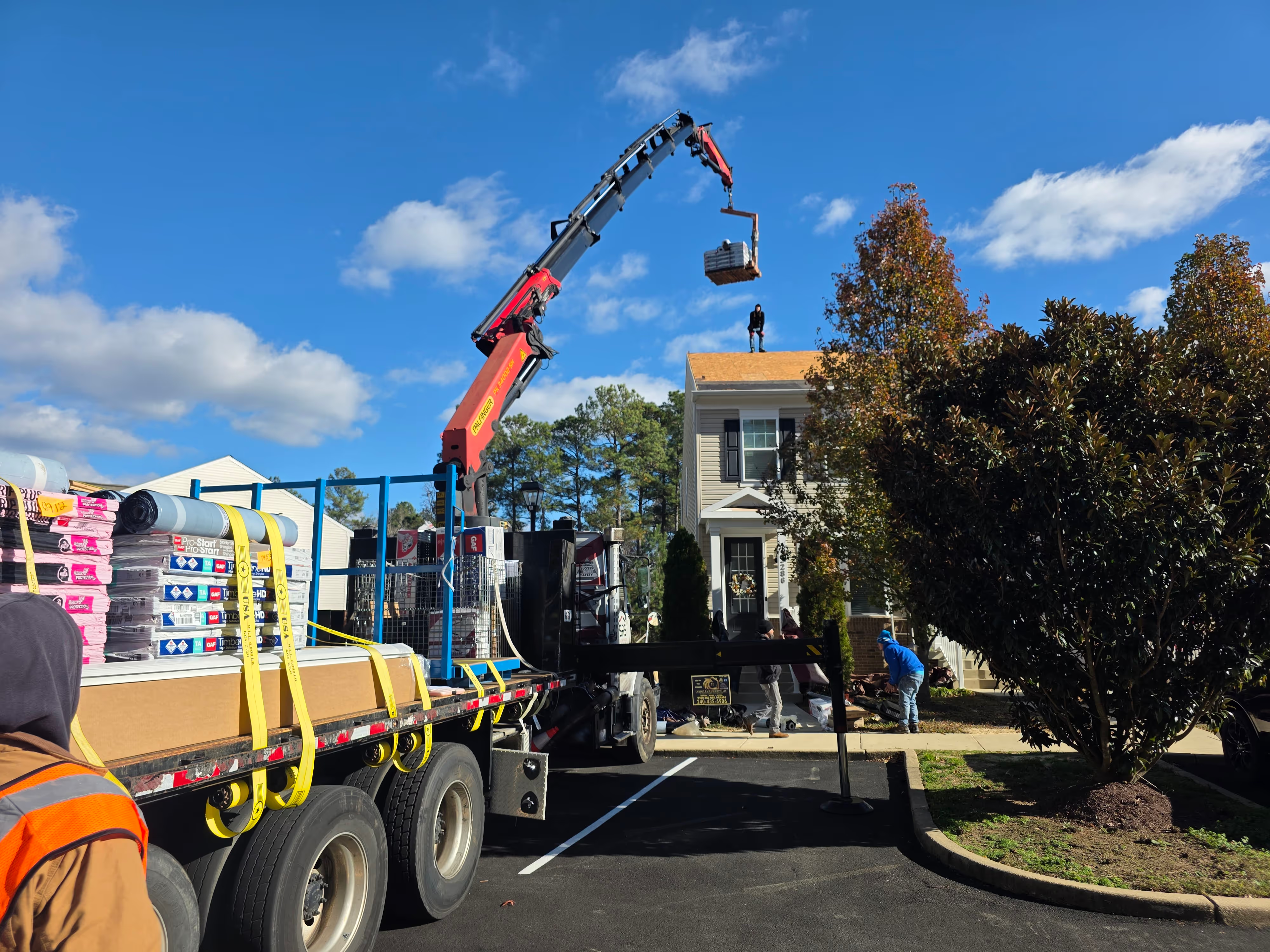
Piney Point Roof Inspections for Wind, Water and Wear
Condition Checks for Edges, Flashing and Penetrations
A Piney Point roof inspection can evaluate shingles or membranes, flashing, roof edges, valleys, penetrations, pipe boots, ventilation, drainage, and visible moisture concerns where accessible. Golden Eagle Roofing photographs observed conditions and explains repair priorities based on the actual roof system.
Storm and Preventive Inspection Planning
After severe weather, an inspection can document visible wind or hail conditions, identify areas that may need temporary protection, and establish a contractor repair or replacement scope. Preventive inspections can also help track aging details and drainage problems before they contribute to an active leak. Insurance coverage is determined by the carrier when a claim is filed.
.avif)
Roof Restoration for Serviceable Piney Point Roofs
Evaluating Restoration Candidacy on Exposed Properties
Restoration may be appropriate when the existing roof remains serviceable but needs targeted repair, flashing or seam reinforcement, drainage corrections, ventilation improvements, or a compatible coating on an eligible low-slope system. Golden Eagle Roofing evaluates the existing assembly before recommending restoration.
Knowing the Limits of Restoration in Harsh Exposure
Restoration is not a substitute for replacing compromised decking, widespread failed roofing, or an assembly with significant moisture problems. Golden Eagle Roofing explains what the proposed restoration changes, what existing components remain, and when replacement is the more appropriate long-term option.

Storm Damage Roofing for Piney Point Wind and Hail Events
Documenting Severe-Weather Roofing Conditions
Golden Eagle Roofing can inspect Piney Point properties after severe weather, photograph and measure visible roofing conditions, identify active leak risks, and provide temporary protection when needed. The inspection considers observable storm-related conditions separately from normal aging, maintenance, and installation issues.
Contractor Records for a Piney Point Insurance Claim
If the property owner files an insurance claim, Golden Eagle Roofing can provide contractor photos, measurements, an estimate, and a roofing scope and can discuss those roofing findings during an adjuster meeting when requested. The property owner manages the claim, and the insurance carrier determines coverage and payment.
.avif)
Piney Point Roofing Questions About Wind, Leaks and Storm Damage
Answers to common questions about roof repair, replacement, inspections, storm damage, flashing, drainage, gutters, and roofing estimates in Piney Point.
What roof problems can wind-driven rain expose?
Wind-driven rain can enter through damaged shingles, loose or deteriorated flashing, roof edges, pipe boots, roof-to-wall transitions, skylights, and other penetrations. A professional inspection should trace the likely entry point and consider the surrounding roof system instead of treating only the interior stain.

When does a Piney Point roof need replacement instead of repair?
Replacement becomes more likely when deterioration is widespread, leaks recur in multiple areas, decking is compromised, or several roof details are failing at the same time. A localized repair can still be appropriate when the surrounding roofing remains serviceable.
What does a Piney Point roof inspection include?
The scope can include shingles or membranes, flashing, roof edges, valleys, penetrations, ventilation, drainage, gutters, and visible moisture conditions where accessible. Photos are used to explain observed conditions and repair priorities.
Can Golden Eagle Roofing document storm damage for insurance?
Yes. Golden Eagle Roofing can document visible roofing conditions with photos, measurements, and a contractor repair or replacement estimate. The property owner files and manages the claim, and the insurance carrier determines coverage.
How long does roof replacement take in Piney Point?
Project duration depends on roof size, pitch, complexity, existing layers, weather, material availability, access, and concealed decking conditions. Golden Eagle Roofing provides scheduling information after the scope and site conditions are confirmed.
Click The Icons To Connect With Us!


.avif)

.svg.avif)